The tobacco season, month by month
A typical Zimbabwean flue-cured calendar, plus the standards that get the best price on our floors. Timing varies by region and rainfall.
Season calendar
Why we clip tobacco seedlings
Clipping is more than just trimming leaves. It is an important step in preparing strong, uniform and healthy seedlings for transplanting. Ideal seedlings are the foundation of a successful tobacco crop.
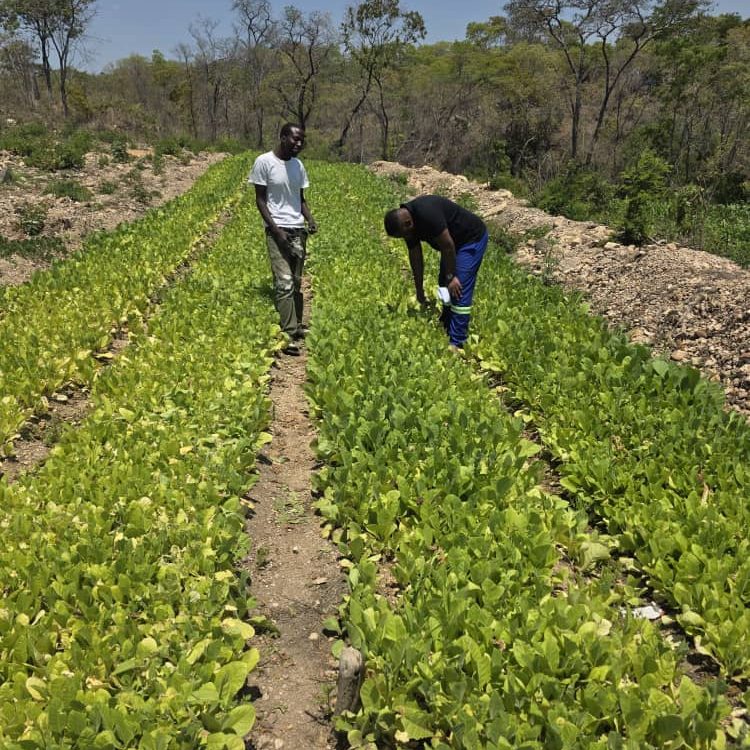
Clipping helps to
- Regulate growth and create uniformity
- Facilitate hardening
- Improve air circulation
- Improve the pulling rate
- Reduce the risk of early flowering
Presentation that earns a better price
A well-presented crop is easier to handle and attracts better prices on the Leafyard buying floors.
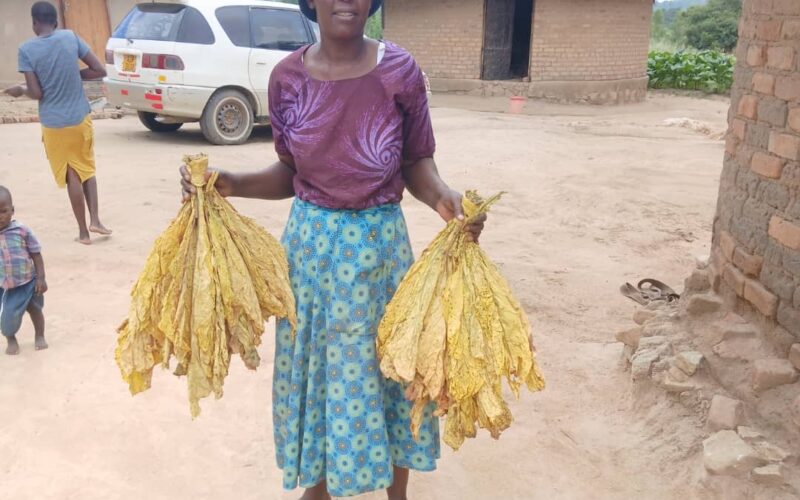
Tie neat, firm hands
Tie hands (kusunga madhuku) to the standard 25–28 mm, about the size of a $1 coin. Keep each hand uniform in style, length, texture and colour.
Tying guide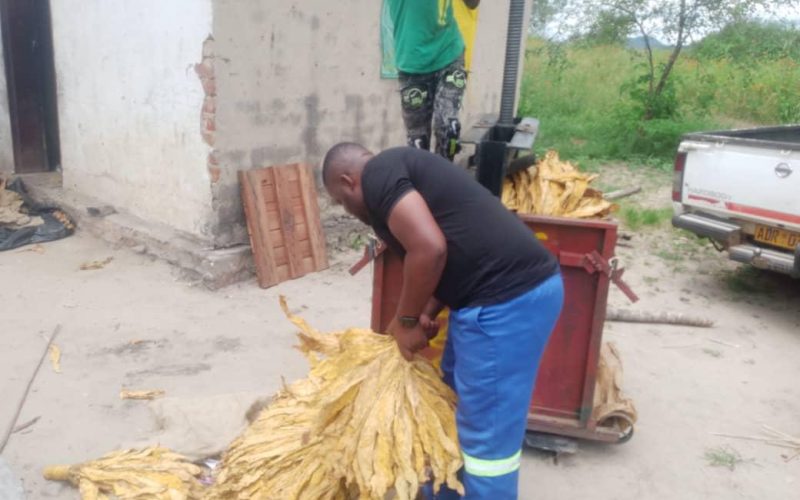
Bale with a baling box
A baling box gives the required 86 × 61 × 61 cm bale and improves the appearance and uniformity of your tobacco.
Baling guide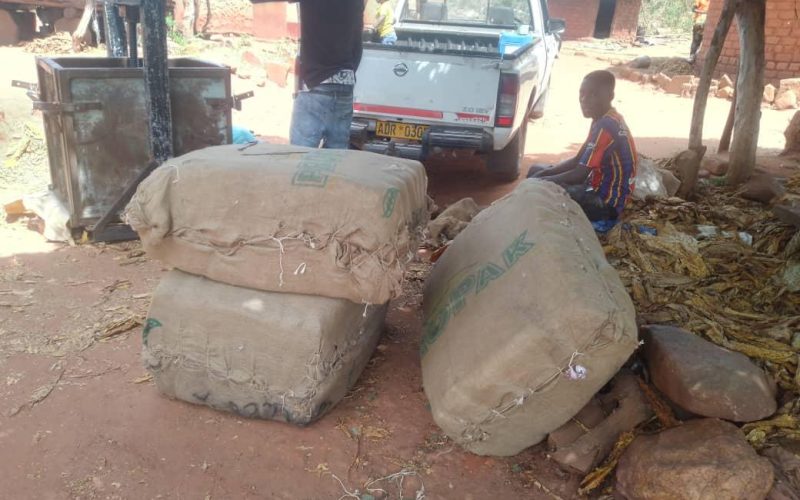
Avoid loose tying
Loose hands look poor on the floor, hurt buyer perception and fetch a lower price.
Barn curing, step by step
Reaped leaf is hung in barns and cured over several days by raising the heat gradually, which locks in the bright golden colour buyers want.
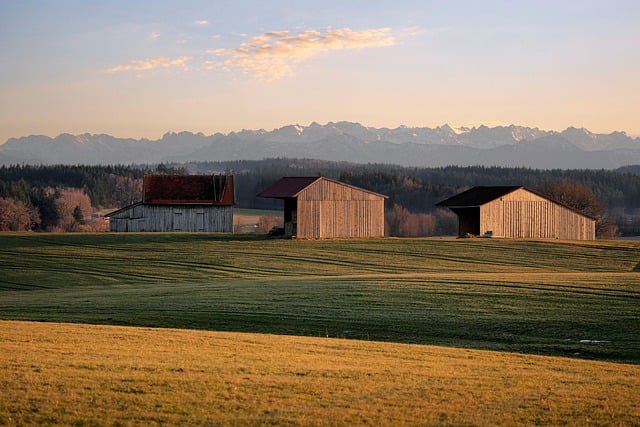
Three stages
- Yellowing: low heat, high humidity; leaf turns yellow
- Leaf drying: temperature rises, leaf fixes its colour
- Stem drying: highest heat dries the midrib
What Leafyard growers receive
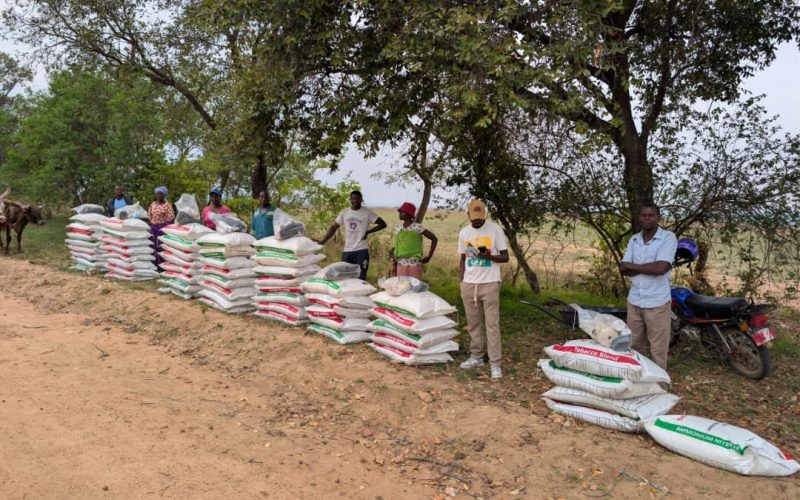
Inputs
Seed packs, fertilisers and chemicals, delivered to local disbursement points.
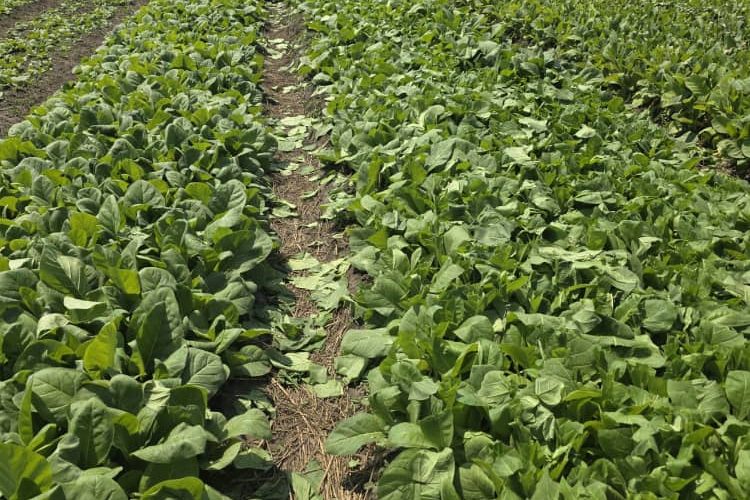
Advice
Field visits from an experienced agronomy team, from seedbed to baling.
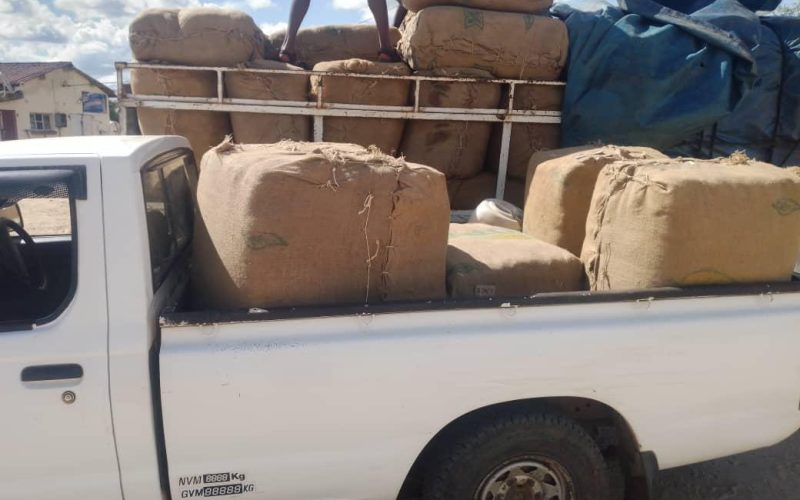
Transport & market
Our trucks carry your crop to our floors in Harare, Rusape and Karoi.
Grow with Leafyard this season
Talk to us about a tobacco or sesame contract, farm inputs, or selling your crop at our Harare, Rusape and Karoi floors.